Espresso is possibly THE most overused word in coffee. Yet most people still don’t know what it actually means. Is espresso a bean, a roast, a brewing method or a type of coffee? Coffee has a tendency to over-complicate itself. What espresso really is is a lot simpler than most think. When you know what it actually is you’ll enjoy ordering coffee at your local cafe a whole lot more and won’t feel so confused!
So let’s set the record straight. In this article well explain what espresso coffee is, what it tastes like, how much caffeine is in it, the benefits of espresso and how to drink it correctly. Don’t worry if you’re new to espresso and curious about it or you regularly order espresso drinks and never actually knew what they where. By the end of this article you will have a practical understanding of one of the most popular coffee brew methods around.
What Is Espresso Coffee?
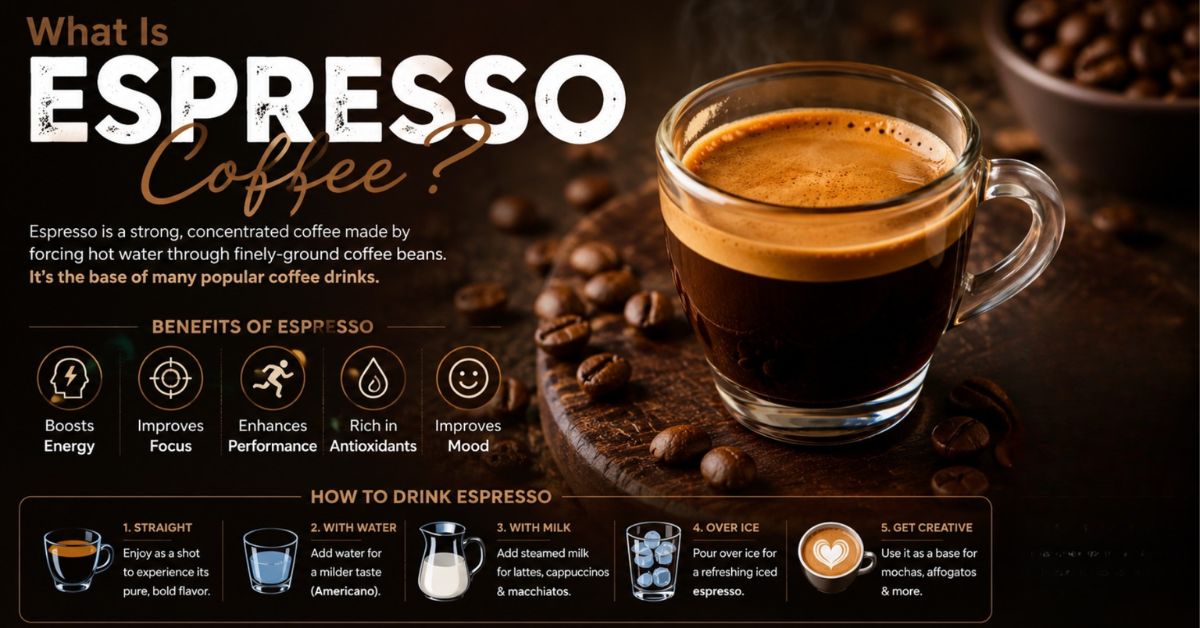
Espresso is neither a bean nor a variety of coffee plant – it’s actually a method of brewing coffee. Espresso is brewed by forcing a small amount of hot water through finely-ground coffee beans, using pressure. The whole process takes approximately 25-30 seconds and is served in small amounts. Once brewed, an espresso will have a layer of golden-brown foam called “crema” sitting on top.
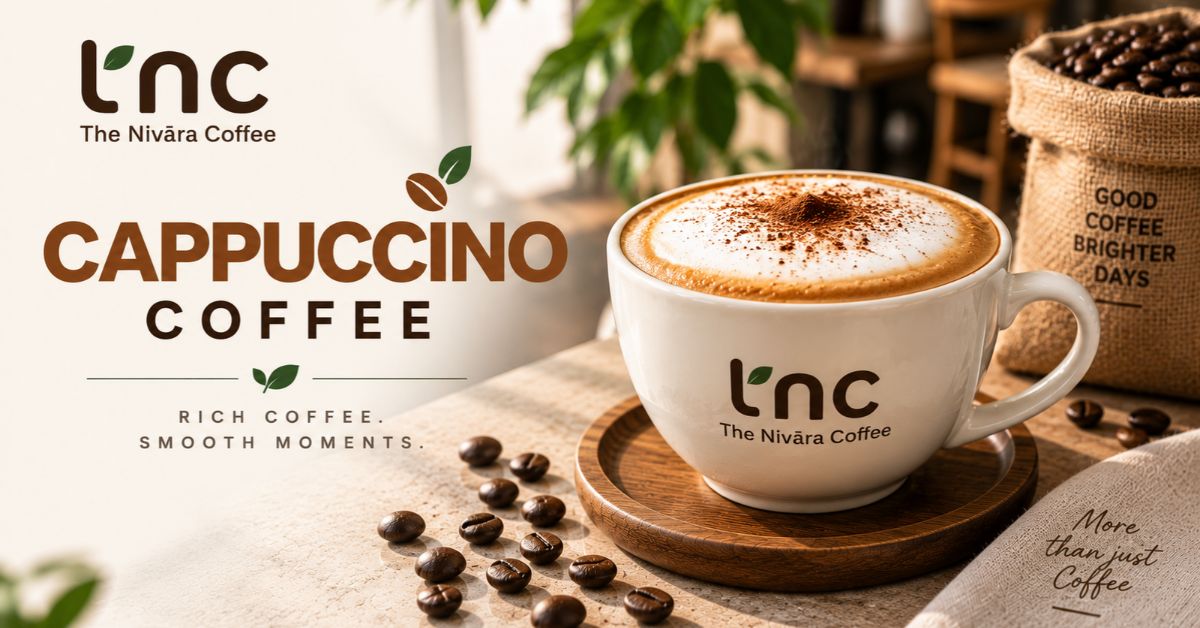
Essentially, espresso has a much stronger, fuller, and more concentrated taste than regular coffee. Even though a serving of espresso will typically be just one shot (about 30ml), the rich flavor will blow your regular cup of coffee out of the water. Keep in mind that espresso is what most drinks that we order on a daily basis are built off of. Cappuccino, latte, americano, macchiato, mocha… whenever you order any of these drinks at your local café, you’ve had espresso – just mixed with varying amounts of milk, water, or foam.
How Does Espresso Taste?
Espresso has a bold, concentrated flavour profile that’s quite different from filter or instant coffee. The taste can vary based on the beans used, the roast level, and the barista’s technique, but there are a few characteristics that remain fairly consistent:
- Rich and intense: Espresso is far more concentrated than regular coffee, giving it a deep, full-bodied taste in every sip.
- Slightly bitter with sweet undertones: A well-pulled shot balances bitterness with subtle notes of caramel, chocolate, or fruit, depending on the bean origin.
- Thick, syrupy texture: Because it’s brewed under pressure, espresso has a heavier mouthfeel compared to drip coffee.
- A layer of crema on top: This golden-brown foam adds a slightly nutty, aromatic quality and is often considered a sign of a properly extracted shot.
- Short-lived but powerful aroma: Espresso releases its strongest aroma within the first few seconds after brewing, which is why it’s traditionally meant to be consumed fresh and quickly.
If you find straight espresso too strong, that’s completely normal — many people prefer to enjoy it as the base of a milk-based drink rather than on its own.
How Much Caffeine Does Espresso Contain?
One espresso myth that gets thrown around is that espresso is packed full of caffeine. While that is true if you compare ounce for ounce, you’re not drinking espresso ounce for ounce.
One ounce (or shot) of espresso is roughly 30ml which is equal to about 63mg of caffeine. One cup of drip/filter coffee is 8 ounces or about 240 ml and has about 95mg of caffeine. So yeah, espresso has more caffeine per ounce, but your typical cup of filter coffee has more caffeine overall.
That is why espresso drinks pack such a punch. Even though your espresso is only served in small amounts, that base can be up to a double shot in drinks like a latte or cappuccino. If you have trouble with caffeine, watch your drink sizes and how many shots are being used. Espresso isn’t necessarily “too strong” for you.
Benefits of Drinking Espresso
When consumed in moderation, espresso offers a few genuine benefits beyond simply tasting good:
- Quick energy boost: The concentrated caffeine content can help improve alertness and focus, making it a popular choice during busy mornings or work breaks.
- Rich in antioxidants: Coffee, including espresso, contains antioxidants that may help fight oxidative stress in the body.
- Low in calories on its own: A plain espresso shot has minimal calories, making it a lighter option compared to sugary, calorie-heavy beverages.
- May support metabolism: Some studies suggest that caffeine can temporarily boost metabolic rate, though this effect varies from person to person.
- Encourages mindful breaks: Because espresso is meant to be sipped and enjoyed rather than gulped down, it naturally encourages people to slow down for a few minutes during a hectic day.
As with any caffeinated beverage, moderation matters. Most health guidelines suggest keeping caffeine intake within a reasonable daily limit, so it’s best to enjoy espresso as part of a balanced routine rather than relying on it excessively.
How to Drink Espresso the Right Way
There isn’t a single “correct” way to drink espresso, but there are a few traditional practices that can help you enjoy it the way it’s meant to be experienced:
• Drink it fresh: Espresso is best enjoyed immediately after brewing, while the crema and aroma are still intact.
• Sip, don’t gulp: Because of its concentrated flavour, espresso is traditionally sipped slowly rather than consumed like a regular beverage.
• Try it plain first: If you’re new to espresso, tasting it without sugar or milk first helps you understand its true flavour profile before customising it.
• Pair it thoughtfully: Espresso pairs well with light snacks, biscotti, or a small dessert, which can complement its bold, slightly bitter notes.
• Use it as a base: If straight espresso feels too strong, ask for it as part of a latte, cappuccino, or flat white, this softens the intensity while keeping the flavour.
There’s no pressure to drink espresso a certain way, the goal is simply to enjoy it in a manner that suits your taste preferences.
Espresso vs Regular Coffee: A Quick Comparison
A lot of confusion around espresso comes from comparing it directly to regular filter coffee, when in reality, the two are quite different in preparation and purpose.
• Brewing method: Espresso uses pressure-based extraction, while filter coffee relies on gravity and slow dripping.
• Serving size: Espresso is served in small shots, while filter coffee is served in larger cups.
• Grind size: Espresso requires a fine grind, whereas filter coffee uses a coarser grind.
• Flavour intensity: Espresso is more concentrated and bold, while filter coffee tends to be milder and lighter.
• Usage: Espresso is often used as a base for other drinks, while filter coffee is typically consumed as-is.
Understanding these differences makes it easier to choose the right coffee style depending on your mood, time, and taste preference.
How The Nivara Coffee Helps You Understand and Enjoy Espresso Better
For people who are just beginning to explore espresso-based drinks, having a space that explains and serves coffee thoughtfully makes a real difference. The Nivara Coffee is a home-grown Indian coffee brand built around the idea that great coffee shouldn’t be complicated or intimidating. Every outlet is designed to help customers — whether students, working professionals, or first-time espresso drinkers, understand what they’re ordering and enjoy it the way it’s meant to be experienced.
At The Nivara Coffee cafés, trained staff take the time to guide customers through the menu, explain the difference between espresso-based drinks, and recommend options based on individual taste preferences and caffeine tolerance. This approach reflects the brand’s larger philosophy of combining affordable premium coffee with warm, genuine hospitality, so that every visit feels welcoming rather than overwhelming, especially for someone still learning the basics of espresso.
Beyond the in-café experience, this same thoughtfulness extends to how the brand is built and grown across India. With a proven, low-investment, high-ROI café franchise model, The Nivara Coffee gives entrepreneurs the opportunity to bring this kind of accessible, well-explained coffee culture to their own city or neighbourhood, backed by standardized systems and end-to-end operational support.
The Nivara Coffee Franchise Opportunity: A Quick Overview
For entrepreneurs interested in the growing café business in India, The Nivara Coffee offers a structured, scalable franchise model built for both new and experienced business owners. The brand currently offers three formats to suit different investment levels and location types:
- Pocket Model: A compact 300 sq ft format with an investment of around ₹24.99 lakhs, ideal for smaller commercial spaces and faster returns.
- Xpress Model: A 400 sq ft format with an investment of around ₹30.99 lakhs, well-suited to high-footfall areas such as malls and corporate hubs.
- Premium Model: A 900 sq ft format with an investment of around ₹40.99 lakhs, offering a complete café experience with higher seating capacity and a premium ambience.
All three formats operate on a consistent royalty structure of 10%, and partners receive complete support across location selection, store setup, staff training, standard operating procedures, marketing, and centralized procurement. This makes it easier for first-time café owners to run their outlet confidently, without needing prior experience in the food and beverage industry.
Those exploring this opportunity can find detailed investment breakdowns, space requirements, and application steps on the official The Nivara Coffee franchise page, which outlines the complete process from enquiry to onboarding.
Frequently Asked Questions
Can I drink espresso every day?
Yes, in moderate amounts. Most people can safely enjoy one to three shots of espresso a day as part of a balanced caffeine intake.
What's the difference between espresso and cappuccino?
Espresso is a concentrated coffee shot on its own, while a cappuccino is espresso combined with steamed milk and milk foam in equal parts.
Does espresso have sugar in it?
No, plain espresso contains no added sugar. Any sweetness comes from natural notes in the coffee beans unless sugar is added separately.
Is espresso good for beginners who don't like strong coffee?
Beginners often prefer espresso-based drinks like lattes or cappuccinos, which balance the boldness of espresso with milk for a gentler taste.