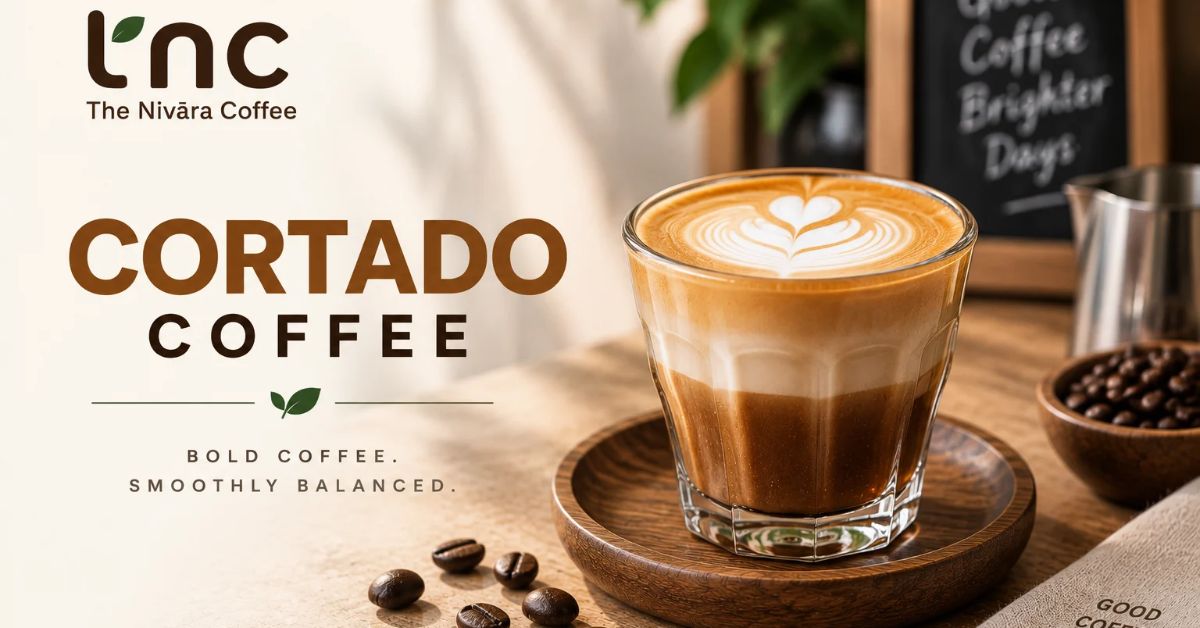

Cappuccino is one of those coffee names you recognise long before you know exactly what goes into the cup. You might order it for the foam, the familiar taste, or simply because it feels like a reliable café choice.
But what makes it different from a latte or your regular milk coffee?
A cappuccino combines espresso coffee, steamed milk, and a generous layer of milk foam. The result is a warm, creamy drink that still lets you taste the coffee clearly.
Let’s look at what cappuccino means, how it tastes, its benefits, and how to prepare it at home.
What Is Cappuccino Coffee?
Cappuccino is an espresso-based milk coffee recognised for its foamy texture. The espresso provides the flavour, steamed milk softens its intensity, and the foam gives each sip a light, creamy feel.
Its modern form developed in Italy. The name is associated with the brown robes of Capuchin friars, whose colour resembled coffee mixed with milk.
A traditional café serving is often around 150–180 ml, although larger versions are common. Cup size, espresso quantity, and foam thickness can all vary between cafés.
What Is the Cappuccino Ratio?
You’ll often hear that cappuccino contains equal thirds of espresso, steamed milk and foam.
That description helps explain its components, but it isn’t a universal measuring rule. Milk expands during steaming, and cafés use different recipes.
The important thing is the finished balance: noticeable espresso, enough milk to soften it, and a substantial layer of smooth foam.
You don’t need to measure three separate layers to make a good cappuccino.
What Does Cappuccino Taste Like?
A well-prepared cappuccino tastes creamy, gently sweet, and distinctly of coffee. Its foam changes how the drink feels as much as how it looks.
Here’s what you can expect:
- Noticeable coffee flavour: The espresso remains present beneath the milk.
- Gentle sweetness: Milk contributes natural sweetness, even without added sugar.
- Soft bitterness: Some bitterness is normal, but it shouldn’t dominate every sip.
- A light, creamy texture: Fine bubbles give the foam a soft feel.
The beans make a difference too. Some coffees bring chocolate or nutty notes, while others taste fruitier. Roast level and brewing technique also affect the result.
If you normally enjoy sweet cold coffee, a plain cappuccino may taste less sweet than you expect. Try it before adding sugar so you can adjust it to your preference.
Cappuccino vs Latte vs Flat White
These drinks use the same basic ingredients. Their differences come mainly from milk quantity, foam, and serving size.
Drink, milk, and foam: typical drinking experience.
| Drink | Milk and foam: typical drinking experience |
|---|---|
| Cappuccino | Steamed milk with a substantial foam layer. Foamy and creamy, with a noticeable coffee taste |
| Latte | Usually more liquid milk and a thinner foam layer. Milkier, with a gentler coffee flavour |
| Flat white | Steamed milk with fine, thin microfoam. Silky, with coffee flavour that remains prominent |
These are general distinctions. A café’s cup size and espresso recipe can change the comparison.
For a milk-free option, Americano coffee combines espresso with water. It has a lighter texture without cappuccino’s creaminess.
Benefits of Drinking Cappuccino Coffee
Cappuccino’s appeal includes its flavour, customisation, and the effects of its caffeine. It doesn’t have a special set of health benefits simply because the milk is foamed.
1. It can help you feel more alert
The caffeine in espresso can temporarily make you feel more awake. The effect depends on your sensitivity and how much caffeine the drink contains.
Having a stronger coffee won’t replace sleep, and drinking it late in the day may affect your rest.
2. It offers a gentler way to enjoy espresso
Milk softens the intensity of straight espresso. That can make cappuccino an approachable choice when you want to explore coffee without starting with a concentrated shot.
3. You can enjoy it without added sugar
A basic cappuccino needs only espresso and milk. Syrups, sugar, and sweet toppings are optional.
Trying it plain gives you more control over sweetness. Dairy milk still contains naturally occurring sugar, so an unsweetened cappuccino isn’t completely sugar-free.
4. You can adapt it to your preferences
You can adjust the milk, espresso quantity, and sweetness to suit your taste. Plant-based milk can also be used, although its flavour and foaming performance will depend on the product.
How Much Caffeine Does Cappuccino Have?
Cappuccino gets most of its caffeine from the espresso used to make it.
There isn’t one caffeine figure that applies to every cup. The number of shots, coffee dose, beans, and extraction all matter.
A cappuccino and a latte made with identical espresso shots will contain approximately the same caffeine, even if the cappuccino tastes stronger. Extra milk softens the taste but doesn’t remove caffeine.
Ask about the shot count if you’re watching your intake. Decaf can reduce the amount, although decaffeinated coffee still contains some caffeine.
How Many Calories Are in Cappuccino?
The calorie content depends mainly on:
- How much milk is used
- The type of milk
- Added sugar or syrup
- Chocolate powder, cream, or other toppings
A small, plain cappuccino will generally contain fewer calories than a much larger milk drink made with the same ingredients. However, “cappuccino” alone doesn’t tell you its nutritional content.
For a packaged product or café drink with published nutrition information, check the specific serving and recipe.
How to Make Cappuccino Coffee at Home
An espresso machine with a steam wand gives you the most direct way to prepare it. Start with a small serving while you practise the milk texture.
Ingredients for one cup
- One espresso shot, approximately 25–30 ml
- Around 85–100 ml cold milk
- Sugar or a light dusting of cocoa, optional
Use a cup of approximately 150–180 ml. The milk increases in volume as you foam it, so leave room while pouring.
Step 1: Prepare the espresso
Warm your cup, empty it, and brew the espresso using your machine’s recommended settings.
Step 2: Steam the milk
Use a suitable pitcher and follow its minimum fill requirement. Introduce air near the milk’s surface, then position the wand to keep the milk circulating.
Aim for fine bubbles and a smooth texture. For dairy milk, around 60–65°C is a useful target; avoid boiling.
Step 3: Swirl and pour
Gently tap the pitcher to break larger bubbles, then swirl. Pour the milk into the espresso, allowing the foam to flow into the cup with it.
Step 4: Taste and adjust
Try it plain first. Add sugar or cocoa if you enjoy them, then serve while comfortably hot.
Can You Make Cappuccino Without a Machine?
You can make a cappuccino-style drink with strong moka pot coffee and separately heated, frothed milk.
A handheld frother or suitable electric milk frother can add foam. Follow the device’s instructions and allow room for the milk to expand.
Instant coffee is another convenient home option, though its flavour and body will differ from an espresso-based cappuccino.
The familiar Indian method of beating instant coffee with sugar and a little water also creates froth. That foam comes from the beaten coffee mixture, so it produces a different result from steaming milk.
Common Cappuccino Mistakes
If your homemade cup doesn’t taste quite right, check these points:
- Large, soapy bubbles: Aim for finer foam and keep the milk moving while steaming.
- A cooked milk flavour: Reduce the heating temperature.
- Weak coffee flavour: Check whether your cup contains too much milk for the espresso.
- Harsh bitterness: Taste the espresso separately before adjusting the milk.
- Too much sweetness: Add sweeteners gradually after tasting.
Changing one thing at a time makes it easier to understand what improves your cup.
Finding Your Coffee Preference with The Nivara Coffee
You don’t need to know every café term to describe what you enjoy. “Creamy with a noticeable coffee taste” or “less sweet with plenty of foam” gives you a useful starting point.
At The Nivara Coffee, our coffee guides help make those everyday choices easier to understand. Learning how milk, espresso, and foam work together can help you choose your next order with more confidence.
Frequently Asked Questions
Is cappuccino stronger than a latte?
It often tastes stronger because it generally contains less liquid milk. Caffeine depends on the espresso recipe, so a stronger taste doesn’t automatically mean more caffeine.
Does cappuccino contain chocolate?
Chocolate isn’t required. Some cafés add a dusting of cocoa, while others serve it plain.
Is cappuccino the same as regular milk coffee?
No. Cappuccino uses espresso and steamed, foamed milk. Everyday milk coffee may use instant coffee, filter coffee, or another brewing method.
Can I make cappuccino with oat milk?
Yes. A barista-style oat milk is designed for steaming and may make preparation easier. Sweetness and texture vary between products.
Can I drink cappuccino every day?
For many adults, it can fit into their routine. Consider your total caffeine intake, added sugar, and how it affects your sleep or comfort. There isn’t one ideal number of cups for everyone.

The Nivara Coffee is a modern café brand focused on creating relaxing spaces where people can enjoy great coffee, delicious food, and quality hospitality. Built around comfort, convenience, and community, The Nivara Coffee offers a refreshing experience for customers looking to unwind, work, or spend quality time with friends and family.
With a growing presence across India, the brand is also expanding through franchise opportunities, helping entrepreneurs build profitable café businesses backed by strong operational support, innovative concepts, and customer-focused service.