What tastes better on a hot afternoon than a big, fluffy glass of cold coffee? Creamy, icy, and only sweet enough to make you feel like you’re being naughty. Yet for one of the most popular drinks at Indian cafés, many of us throw the word coffee around pretty loosely. We mix up cold coffee with iced coffee, cold brew, frappé – you name it.
In this article we set the record straight on what cold coffee actually is, why it’s so popular, the variations you’re likely to find on a café menu and how to make your very own café-style cold coffee at home. If you’ve ever ordered it or thought about making it yourself, you’ll leave with a useful, no-nonsense understanding of this daily staple.
What Is Cold Coffee?
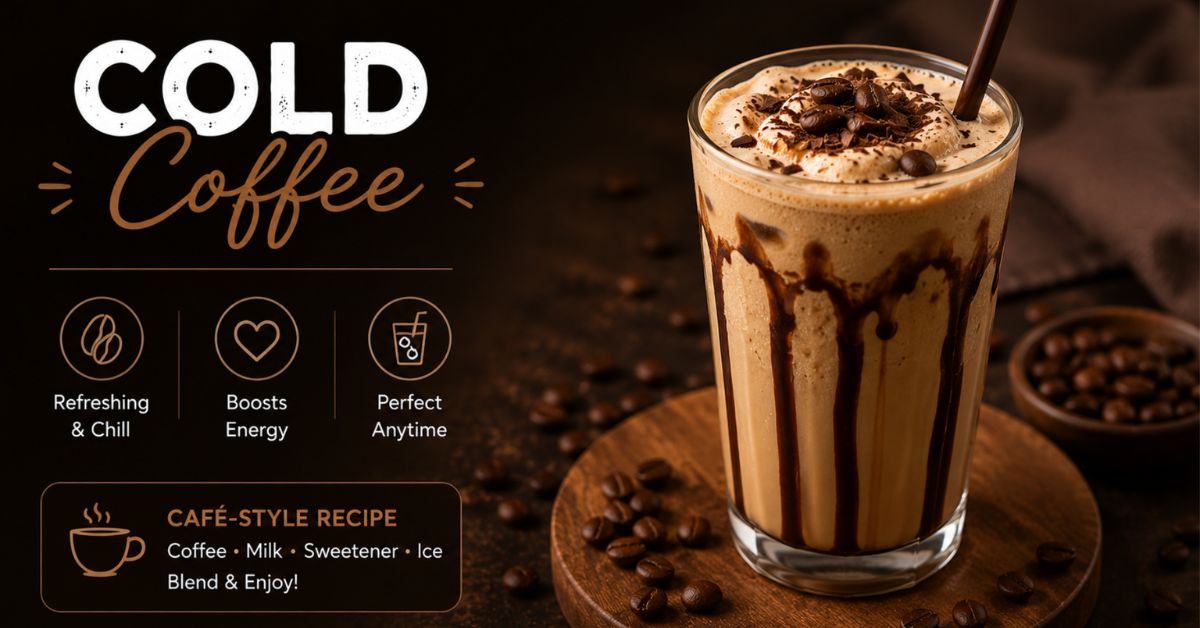
Cold coffee is made with milk. The name says it all —it’s coffee that is served cold. To make cold coffee, you essentially brew your coffee or use instant coffee and mix it with cold milk, sugar, and ice. You top it off with froth or ice cream, pour it into a tall glass, and serve. Cold coffee feels more like a dessert drink than a no-nonsense cup of joe.
Cold coffee is not the same as cold brew. With cold brew, you steep coffee grounds in cool water for several hours. Cold coffee is generally blended with already brewed coffee or with instant coffee and ice-cold milk. Hence the thick, milkshake texture, as opposed to a light, tea-like cold brew.
The rich, blended texture of cold coffee makes it a favorite for students and young professionals looking for a filling, energizing treat that’s easy to take on the go all across India.
Cold Coffee vs Iced Coffee vs Cold Brew: Knowing the Difference
These three drinks often get grouped together, but each is prepared differently and offers a distinct taste and texture:
- Cold coffee: Brewed or instant coffee blended with cold milk, sugar, and ice, often finished with froth or ice cream for a thick, creamy texture.
- Iced coffee: Regular hot-brewed coffee that is cooled down and poured over ice, usually lighter and less creamy than cold coffee.
- Cold brew: Coffee grounds steeped in cold water for 12 to 24 hours, resulting in a smooth, low-acidity coffee concentrate that’s typically diluted with water or milk.
- Frappé: A blended, frothy iced coffee drink, often made with instant coffee whipped into a foam before mixing with milk and ice.
Understanding these differences makes it easier to know exactly what you’re ordering, especially since menus across different cafés sometimes use these terms inconsistently.
Benefits of Drinking Cold Coffee
Beyond being a refreshing treat, cold coffee offers a few practical benefits when enjoyed in moderation:
- Instant energy boost: The caffeine content helps improve alertness, making it a popular choice during hot afternoons or study sessions.
- A cooling alternative to hot coffee: For people who love coffee but find hot beverages uncomfortable in warm weather, cold coffee offers the same flavour in a more refreshing format.
- Source of calcium and protein: Since it’s milk-based, cold coffee contributes some calcium and protein to your daily intake, unlike black coffee.
- Mood-lifting and satisfying: Its creamy texture and mild sweetness make it feel more like a treat, which can be a pleasant mid-day pick-me-up.
- Customisable to dietary needs: Cold coffee can easily be adapted with low-fat milk, plant-based milk, or reduced sugar for those managing calorie or dietary preferences.
As with any milk and sugar-based beverage, it’s best enjoyed in moderation, particularly if you’re mindful of your daily sugar or calorie intake.
Popular Types of Cold Coffee
Cold coffee isn’t a single fixed drink — it comes in several popular variations, each with its own texture and flavour twist:
- Classic cold coffee: The traditional blend of coffee, milk, sugar, and ice, topped with a light layer of froth.
- Cold coffee with ice cream: A thicker, dessert-style version made by blending in a scoop of vanilla or coffee-flavoured ice cream.
- Chocolate cold coffee: Cold coffee blended with chocolate syrup or cocoa powder for a mocha-like flavour.
- Frothy cappuccino-style cold coffee: Made using a stronger coffee base and finished with a generous layer of milk froth on top.
- Iced latte-style cold coffee: A lighter version using espresso as the coffee base, poured over cold milk and ice rather than blended.
Each variation caters to a different taste preference, from those who enjoy a light, milky sip to those who want a rich, dessert-like experience.
How to Make Café-Style Cold Coffee at Home
Making a properly frothy, creamy cold coffee at home is simpler than most people expect, as long as you follow the right order and technique:
- Ingredients: 2 tablespoons instant coffee (or 2 shots of strong brewed coffee), 2 tablespoons sugar (adjust to taste), 1.5 cups chilled full-fat milk, a handful of ice cubes, and an optional scoop of vanilla ice cream.
- Step 1: In a small bowl, mix the instant coffee, sugar, and 2 tablespoons of warm water. Whisk vigorously for 2 to 3 minutes until it turns into a thick, light-brown, frothy paste.
- Step 2: Add the chilled milk to a blender along with the whisked coffee mixture.
- Step 3: Blend on high speed for about 30 seconds until the mixture becomes frothy and well combined.
- Step 4: Fill a tall glass with ice cubes and pour the blended coffee over it.
- Step 5: Top with a scoop of ice cream or a light dusting of cocoa powder for a café-style finish, and serve immediately with a straw.
This method recreates the thick, frothy texture found in café-style cold coffee without needing any specialised equipment beyond a basic blender.
How The Nivara Coffee Helps You Choose the Right Cold Coffee
Cold coffees have evolved greatly over the years, which leaves customers slightly puzzled about what they should order the next time they walk into a cafe. Most cafes these days have different kinds of variations of cold coffee on their menu. The Nivara Coffee is an Indian cafe brand born out of a desire to keep things simple and delicious. The cafes have trained associates who walk a customer through their menu of cold coffees. They describe the texture, level of sweetness and intensity of coffee in each beverage so the customer can make an informed decision and choose the one they like best.
Extending insightful hospitality at an affordable price for premium coffee is the mantra that the brand lives by. Whether a college student who is looking for a decadent treat anytime of the day or an office-goer who wants to take a quick break to recharge with a cold beverage, Nivara wants to ensure that every guest walks into a cafe and doesn’t feel overwhelmed by their menu. Each and every coffee on the menu is made to be understandable and enjoyable by all. That’s how the brand approaches its franchise model as well by laying down a clear and simple path for entrepreneurs who wish to open a The Nivara Coffee café in their city.
The Nivara Coffee Franchise Opportunity: A Quick Overview
The Nivara Coffee presents an opportunity to own your café or become a coffee franchiser who can start with a turnkey business model operating from systems you can scale up with minimum investment. Right now there are three distinct formats available ranging from cafés that can start from an investment of approximately ₹24.99 lakhs in 300 sq ft space.
With fixed royalty outgoings of 10% across all formats, The Nivara Coffee takes its franchise partners through the process of location scouting to store setup and launching their outlet. Training of manpower and baristas, standardized operating procedures, marketing support and centralised buying are just some of the services offered by the brand that ensures first-time entrepreneurs can operate and manage their outlet with ease. For more information on investment details, space guidelines and the application process head over to the Nivara Coffee franchise page.
Frequently Asked Questions
How much caffeine does a glass of cold coffee have?
A regular glass of cold coffee typically contains around 60 to 100mg of caffeine, depending on the strength of the coffee used.
Can I make cold coffee without a blender?
Yes, you can whisk the coffee, sugar, and a little warm water into a froth by hand, then stir it into cold milk and pour over ice, though a blender gives a smoother result.
Is cold coffee good for weight watchers?
It can be, if made with low-fat milk and less sugar; the calorie content mainly comes from milk, sugar, and any added ice cream.
Why does café-style cold coffee taste frothier than homemade versions?
Cafés often whisk the coffee-sugar mixture separately before blending, and use high-speed blenders, which creates a thicker, more stable froth.