
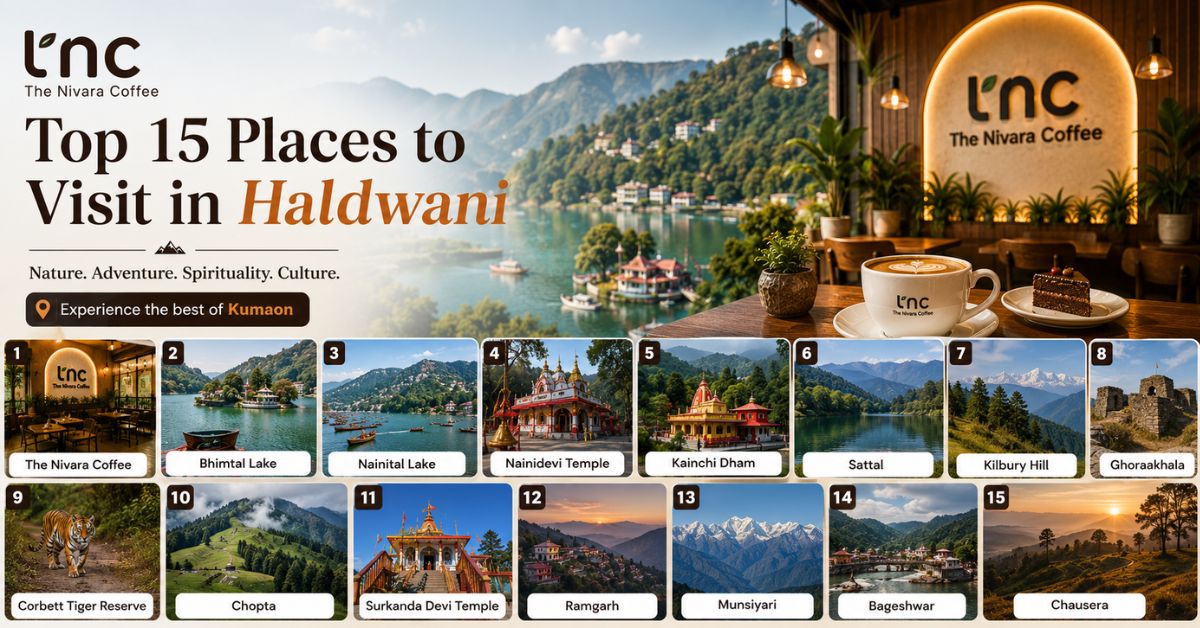
Haldwani, a vibrant city nestled in the foothills of the Himalayas in Uttarakhand, has emerged as an increasingly popular tourist destination. The city serves as a gateway to the natural beauty of the Kumaon region, offering visitors a perfect blend of spiritual significance, natural attractions, adventure opportunities, and cultural experiences. Whether you’re seeking mountain vistas, peaceful temples, thrilling adventure activities, or authentic local culture, Haldwani delivers diverse experiences that cater to every type of traveler.
This comprehensive guide presents fifteen remarkable places to visit in Haldwani that showcase the city’s multifaceted appeal. From sacred temples and panoramic viewpoints to adventure destinations and cultural landmarks, these attractions represent the best of what Haldwani and its surroundings have to offer. Whether planning a weekend getaway, a week-long vacation, or a spiritual pilgrimage, this guide will help you maximize your Haldwani experience.
Why Haldwani is Worth Your Time: Key Highlights
Haldwani’s appeal lies in its unique positioning within Uttarakhand’s tourism landscape. The city combines accessibility with authentic mountain experiences, offering the convenience of urban amenities alongside natural and spiritual attractions. Unlike some Himalayan destinations that require extensive planning and difficult terrain navigation, Haldwani provides easily accessible experiences for visitors of all fitness levels and ages.
The city’s climate is another significant advantage. With pleasant weather throughout much of the year, Haldwani experiences moderate temperatures that make outdoor exploration comfortable. The region receives substantial rainfall during monsoon months, transforming the landscape into lush green scenery. The combination of manageable altitude, diverse attractions within short distances, and emerging hospitality infrastructure makes Haldwani an increasingly attractive destination for both domestic and international travelers.
The Top 15 Must-Visit Places in Haldwani
1. The Nivara Coffee: A Must Visit Café Experience in Haldwani
Located in the heart of Haldwani, The Nivara Coffee is more than just a café. It is a welcoming space where travelers, coffee enthusiasts, and locals come together to relax and enjoy quality food and beverages. Known for its cozy ambiance, carefully crafted coffee, and comfortable seating, the café offers the perfect place to unwind before or after exploring the attractions of Haldwani.
Whether you are looking for a peaceful spot to work, catch up with friends, or simply enjoy a freshly brewed cup of coffee, The Nivara Coffee provides a memorable experience. The modern interiors, warm hospitality, and thoughtfully curated menu make it one of the most popular places to visit in Haldwani. Visitors can enjoy a variety of coffee options, snacks, and meals while taking a break from sightseeing in the Kumaon region.
For travelers arriving in Haldwani, The Nivara Coffee serves as an ideal starting point before exploring nearby attractions such as Kathgodam, Bhimtal, Nainital, and Kainchi Dham.
2. Bhimtal Lake: Natural Serenity in the Hills
Located just twenty kilometers from Haldwani, Bhimtal Lake offers a captivating natural experience. This expansive freshwater lake, surrounded by densely forested hills, creates a serene atmosphere ideal for various water activities and leisurely exploration. The lake’s pristine waters reflect the surrounding Himalayan peaks, creating postcard-perfect vistas, especially during early morning hours. Visitors can enjoy boating, fishing, or simply relaxing on the picturesque banks.
3. Nainital Lake: Iconic Hill Station Experience
Nainital, approximately thirty kilometers from Haldwani, is one of India’s most famous hill stations, centered around its picturesque lake. The crescent-shaped Nainital Lake, nestled between forested hills, creates one of Uttarakhand’s most photographed landscapes. The lake is an epicenter of activity, with boating, paddling, and water sports available year-round. The surrounding town features colonial architecture, charming local shops, and excellent restaurants reflecting both traditional Kumaoni cuisine and contemporary dining preferences.
4. Nainidevi Temple: Spiritual Gateway in the Hills
Overlooking Nainital Lake, the Nainidevi Temple represents one of the region’s most significant spiritual destinations. Dedicated to Goddess Naina, a manifestation of Durga, this temple attracts pilgrims and spiritual seekers throughout the year. The temple’s location at the lake’s edge creates a unique setting where spiritual devotion intertwines with natural beauty. Visitors ascending to the temple encounter breathtaking views of the lake and surrounding Himalayan landscape.
5. Kainchi Dham: Spiritual Sanctuary and Artistic Wonder
Kainchi Dham, a unique spiritual ashram located in the foothills near Nainital, represents a remarkable fusion of spirituality and artistic expression. Built by the revered spiritual master Maharaj-ji, this sanctuary features intricately carved walls, vibrant murals, and spiritual symbolism integrated throughout its architecture. The ashram welcomes visitors seeking spiritual experiences, artistic inspiration, or simply peaceful contemplation. The natural setting, surrounded by forests and hills, enhances the meditative atmosphere.
6. Sattal: The Lake Land of Kumaon
Sattal, meaning ‘seven lakes,’ showcases the Kumaon region’s natural water wealth. This scenic destination comprises interconnected lakes surrounded by dense forests, creating an ecosystem of exceptional biodiversity. The area is particularly appealing for nature lovers, bird watchers, and photographers who seek to capture Himalayan beauty in its most authentic form. The lakes’ interconnected nature creates interesting topography for exploration and outdoor activities. Many of the surrounding forests have been designated as conservation areas, reflecting their ecological importance. Sattal’s relatively quieter atmosphere compared to more developed hill stations makes it ideal for visitors seeking solitude and intimate contact with nature. The pristine environment and minimal commercialization preserve the authentic mountain experience.
7. Kilbury Hill: Panoramic Mountain Vistas
Kilbury Hill, accessible via a moderate trek from Nainital, offers one of the region’s most spectacular viewpoints. From this elevated position, visitors encounter unobstructed panoramic views of the surrounding Himalayan peaks, the plains below, and the landscape stretching toward the distant horizon. The hill’s elevation and position make it particularly popular for sunrise viewing, when golden light bathes the mountain landscape, creating ethereal atmospheric conditions. The trek to Kilbury Hill combines physical exercise with nature immersion, making it appealing to adventure enthusiasts while remaining accessible to reasonably fit visitors.
8. Ghoraakhala: Historical Fort and Panoramic Viewpoint
Ghoraakhala represents Haldwani’s historical significance as a strategic location during various periods of governance and conflict. The remnants of this old fort provide tangible connections to the region’s past, while the elevated location offers commanding views of the surrounding landscape. Historical enthusiasts appreciate Ghoraakhala’s role in regional history, while casual visitors enjoy the viewpoint and peaceful surroundings. The fort’s ruins, though deteriorated, reveal architectural elements reflecting the period’s construction techniques and military strategic thinking.
9. Corbett Tiger Reserve: Wildlife and Conservation Heritage
Jim Corbett Tiger Reserve, accessible within reasonable distance from Haldwani, represents India’s pioneering conservation effort. This protected reserve, named after the famous hunter-turned-conservationist Jim Corbett, encompasses diverse ecosystems supporting Bengal tigers, Asian elephants, wild boar, and numerous bird species.
Safari expeditions into the reserve offer thrilling wildlife encounters within a conservation-focused framework. The reserve’s establishment marked a paradigm shift from wildlife exploitation to protection, establishing a model replicated across India. Visitors experience not just wildlife viewing but gain a deeper understanding of conservation challenges and successes.
10. Chopta: The Mini Switzerland of India
Chopta, often described as India’s Mini Switzerland, presents verdant meadows and rolling grasslands reminiscent of Alpine landscapes. Located at over 2,500 meters elevation, this destination offers crisp mountain air, lush vegetation, and cool temperatures year-round. Chopta appeals to adventure seekers engaging in trekking, camping, and paragliding, while also attracting leisurely visitors seeking peaceful mountain retreats. The meadows transform with seasons—spring brings wildflower blooms, summer offers lush greenery, and winter creates snowy landscapes.
11. Surkanda Devi Temple: Peak Spirituality and Adventure
Surkanda Devi Temple, situated at approximately 2,271 meters elevation, combines spiritual significance with adventure. The challenging trek to this ancient temple tests physical endurance while rewarding visitors with transformative spiritual experiences and extraordinary panoramic views. The temple, dedicated to Goddess Surkanda, holds a significant place in Hindu pilgrimage circuits.
The trek’s difficulty makes it particularly popular among adventure enthusiasts and spiritual seekers willing to undertake physical challenges for deeper experiences. The temple’s location ensures minimal crowds compared to more accessible pilgrimage sites, preserving the spiritual atmosphere.
12. Ramgarh: Tranquil Escape and Artistic Inspiration
Ramgarh, a relatively lesser-known destination, attracts visitors seeking quiet mountain retreats. This scenic location has historically appealed to artists, writers, and contemplative travelers drawn to its serene beauty and undisturbed natural environment. The village’s peaceful character makes it ideal for extended stays focused on creative work, meditation, or simple rest. The surrounding forests and agricultural lands reflect traditional Kumaoni life, offering glimpses into rural mountain culture.
13. Munsiyari: Alpine Adventure Capital
Munsiyari, positioned at a significant elevation in the eastern Kumaon region, represents adventure tourism at its finest. This mountain destination serves as a base for alpine trekking, mountaineering expeditions, and high-altitude exploration. The surrounding peaks, pristine meadows, and challenging terrain attract serious trekkers and mountaineers. Munsiyari’s accessibility allows visitors to experience high-altitude adventure without requiring extreme mountaineering skills.
The village itself retains authentic mountain character while offering necessary amenities for visitors. The breathtaking scenery, including views of the snow-capped Himalayan range, creates dramatic landscapes that inspire photographers and nature enthusiasts.
14. Bageshwar: Ancient Religious Significance and Culture
Bageshwar, located at the confluence of the Saryu and Gomti rivers, holds ancient spiritual significance in Hindu cosmology. This pilgrimage destination attracts religious devotees and culturally-interested travelers. The town’s temples, particularly the main Bageshwar Temple, showcase religious architecture and spiritual traditions central to Kumaoni culture.
The river confluence creates natural geographical significance, which ancient Hindu texts identified as spiritually powerful locations. The town’s character balances religious significance with everyday local life, offering visitors an authentic experience of how spirituality integrates into mountain communities.
15. Chausera: Hidden Natural Beauty and Local Charm
Chausera, a picturesque location offering views of the Himalayan range, remains relatively undiscovered by mainstream tourism. This hidden gem appeals to explorers seeking authentic experiences away from established tourist circuits. The location’s minimal development preserves its rustic character, allowing visitors to experience mountain life as locals experience it.
Chausera’s appeal lies in its understated beauty and the genuine interactions with local communities that tourism has not yet significantly altered. The viewpoint’s elevation provides spectacular sunrise and sunset displays, making it particularly valuable for photographers seeking natural beauty without crowds.
Essential Planning Considerations for Your Haldwani Trip
Visiting all fifteen places requires strategic planning. Consider these essential factors to optimize your Haldwani experience and ensure safe, enjoyable travels throughout the region.
- Travel Duration and Pacing: Visiting all fifteen locations requires a minimum 7-10 days. Rushing through multiple destinations in 2-3 days creates exhausting experiences. Consider focusing on 5-7 destinations per visit, allowing time for meaningful exploration rather than superficial touring.
- Seasonal Considerations: Spring (March-May) and autumn (September-November) offer ideal weather. Winter (December-February) brings snow to higher elevations and can complicate travel, though some visitors specifically seek winter mountain experiences. Monsoon (June-August) creates landslide risks on certain routes, making planning critical.
- Physical Fitness Requirements: Some destinations involve strenuous trekking, while others are accessible to visitors with minimal fitness. Honestly assess your physical capabilities and choose destinations accordingly. High-altitude locations require acclimatization time.
- Transportation and Logistics: Having personal vehicle access significantly enhances flexibility, though public transportation and hiring local guides are viable alternatives. Roads vary in condition, some locations require skilled navigation, while others feature well-maintained highways.
- Accommodation Strategy: Haldwani serves as a convenient base for accessing multiple destinations. Alternatively, establish multiple bases in different regions (Nainital, Chopta, Munsiyari) to minimize daily travel and explore respective areas thoroughly.
Practical Travel Tips for Visiting Haldwani’s Top Destinations
- Early Starts: Begin explorations early in the day to maximize daylight hours, avoid afternoon crowds at popular spots, and experience sunrise views that make mountain destinations truly magical.
- Weather Preparedness: Mountain weather changes rapidly. Pack layered clothing, rain gear, and sun protection even during supposedly clear seasons. Weather forecasts are helpful but not infallible in mountain regions.
- Altitude Acclimatization: Higher elevations can cause altitude discomfort. Ascend gradually when possible, stay hydrated, and allow extra recovery time if you’re ascending to significantly higher elevations on consecutive days.
- Local Engagement: Interact respectfully with local communities. Learn basic Hindi phrases, respect local customs and religious practices, support local businesses, and show genuine interest in local culture beyond superficial tourism.
- Safety Considerations: Stay updated on road conditions, heed local advisories about weather or safety risks, travel with companions when possible, maintain communication with family/friends about your whereabouts, and carry essential medications and first-aid supplies.
Conclusion: Your Haldwani Adventure Awaits
The above are the best fifteen places to visit near Haldwani representing Haldwani’s diverse range of attractions. Whether you are looking for spiritual places to visit, lush natural attractions, adventure activities, or lesser-known hidden spots near Haldwani, you’ll find something that suits your travel needs. Accessible and friendly yet offering an authentic taste of what mountains are like at the same time.
We hope you have found this list of places to visit near Haldwani useful but when visiting remember, patience is just as important as ambition. Don’t rush through the fifteen locations but instead pick and choose which places you would like to visit that fit your itinerary and really take your time to experience what each location has to offer rather than try and see everything. The mountains are a beautiful place that give back to those who visit with respect and patience.
So where will you be travelling to near Haldwani? one? Some? All fifteen? Stop by The Nivara Coffee on your travels to relax and make the most of your time in these Himalayan destinations.
Frequently Asked Questions
Can I visit all fifteen places in a single week?
Technically possible but inadvisable. A single week allows reasonable exploration of 5-7 destinations without exhaustion. A ten-day trip enables visiting 10-12 places meaningfully. Two weeks allows thorough exploration of all fifteen locations with proper time for acclimatization, rest, and actual experience rather than mere visiting.
Do I need a guide to visit these destinations?
Most destinations are accessible without guides, especially if you're reasonably experienced with hiking and navigation. However, guides enhance experiences significantly by providing historical context, local knowledge, identifying wildlife, and ensuring safety on challenging terrain. For trekking to Surkanda Devi or high-altitude destinations, guides are recommended for safety and optimal experience.
What should I pack for exploring these diverse locations?
Pack layered clothing suitable for temperature variations, comfortable hiking boots with good traction, weather-appropriate rain gear, sun protection (hat, sunscreen, sunglasses), adequate hydration bottles, energy snacks, first-aid kit, and a good camera. For higher-elevation treks, additional items like thermal layers, quality backpacks with proper support, and potentially trekking poles are advisable.
Are these destinations suitable for families with children?
Many are child-appropriate: Nainital, Bhimtal, and Sattal feature easy accessibility and engaging water activities. Ghoraakhala and Kilbury Hill suit families comfortable with moderate walks. Surkanda Devi and Munsiyari require significant physical capability and suit older children with hiking experience. Ramgarh and Chopta are peaceful and family-friendly. Choose destinations matching your family's fitness levels and preferences.